
Fayoum
Desert, dunes, and a lake older than the pyramids
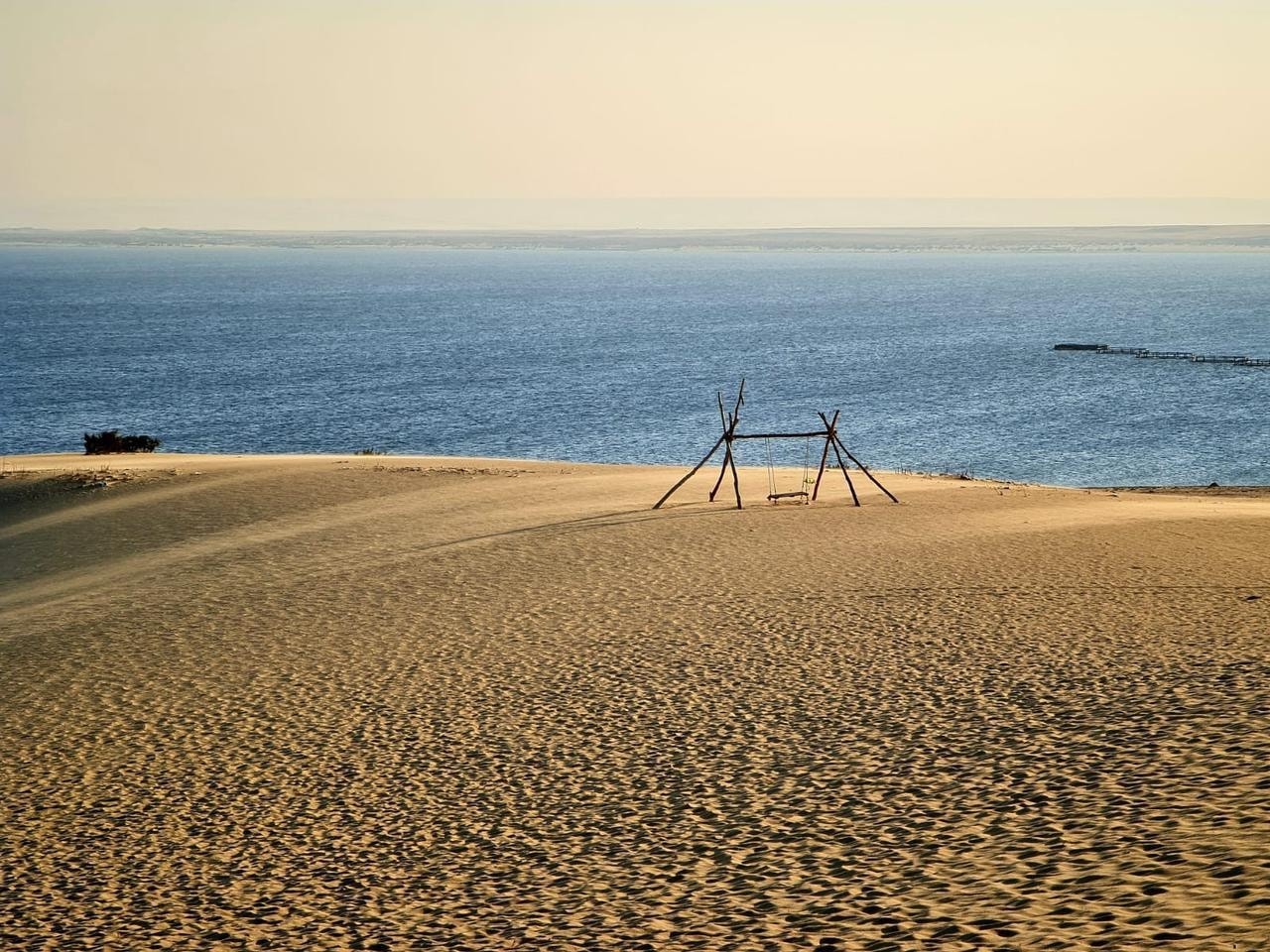
An hour and a half from Cairo, Fayoum is Egypt's quiet surprise — an oasis built around Lake Qarun, ringed by desert that hides one of the strangest places on the planet: Wadi Al-Hitan, the Valley of the Whales, where 40-million-year-old skeletons of early whales sit exposed in the sand.
Places in Fayoum
Pins are approximate.
A pottery village overlooking Qaron Lake, known for its international ceramics scene.
Trips that stop here
What to do
- Visit working pottery studios
- Buy handmade ceramics directly from artisans
- Stay for a meal at a village guesthouse
Good to know
- Many studios welcome visitors to watch the process
- A relaxed half-day stop, not a rushed one
- Best time
- Late morning to afternoon, when studios are active.
- What to wear
- Casual clothing.
- Weather
- Similar to the rest of Fayoum — hot and dry in summer, mild in winter.
The open desert stretching north of Qaron Lake — dunes, quiet, and wide horizon views back over the water.
Trips that stop here
What to do
- 4x4 or quad-bike safari across the dunes
- Watch sunset over the lake from the high desert rim
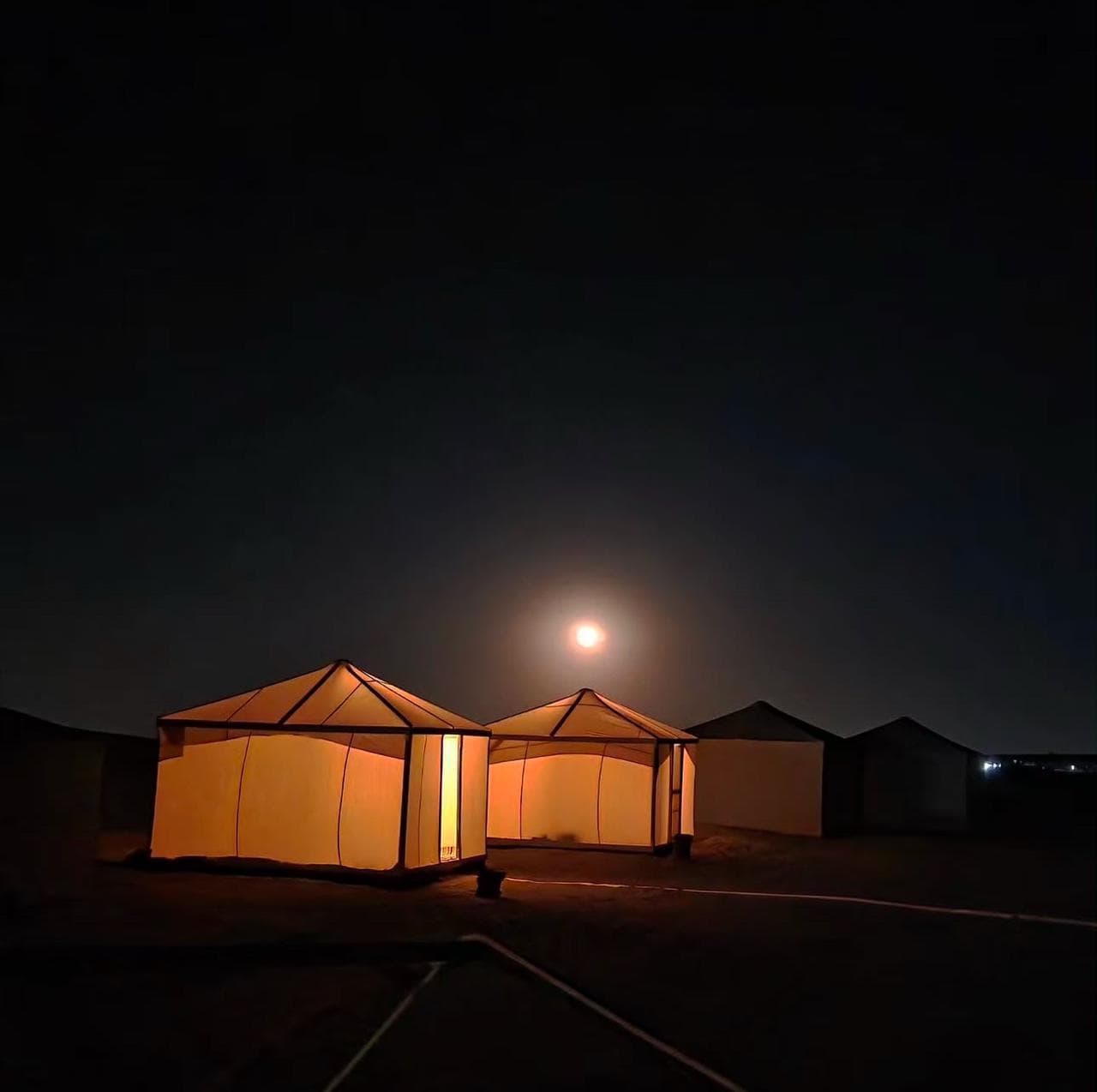
- Stop for tea at a Bedouin-style desert camp
Good to know
- Best done as a guided safari — tracks aren't marked
- Bring a scarf or wrap for wind and blowing sand
- Best time
- Late afternoon, ending with sunset over the lake.
- What to wear
- Full-coverage desert clothing; a headscarf helps against sun and sand.
- Weather
- Open, unshaded desert — hot by day, cool once the sun drops.
One of the world's oldest lakes, fed by the Nile since pharaonic times.
Trips that stop here
What to do
- Birdwatch along the shoreline
- Watch the sunset over the water
- Try a local fish lunch at a lakeside spot
Good to know
- Best light is in the last hour before sunset
- Combine with Tunis Village, a short drive along the shore
- Best time
- Late afternoon into sunset.
- What to wear
- Casual, comfortable clothing.
- Weather
- Milder than the open desert thanks to the lake.
Whale skeletons from 40 million years ago, exposed in the desert sand.
Trips that stop here
What to do
- Walk the open-air fossil trail
- Visit the small on-site museum
- Photograph the desert's wind-carved rock formations
Good to know
- Only reachable by 4x4 — book a guided trip rather than self-driving
- Bring more water than you think you need
- Best time
- Cooler months (October–April), in the morning before peak heat.
- What to wear
- Loose, breathable desert clothing; closed shoes for sandy trails.
- Weather
- Fully exposed desert — very hot with no shade in summer.
Egypt's only waterfalls, cascading between two lakes in the middle of the Western Desert.
Trips that stop here
What to do
- Walk the boardwalk between the upper and lower falls
- Swim in the pools below the lower falls
- Spot migratory birds around the lake
Good to know
- Combine with Wadi El Hitan — they're on the same desert route
- Swimming is best at the lower falls
- Best time
- October–April, avoiding peak midday sun.
- What to wear
- Casual, comfortable clothing; a swimsuit if you plan to get in the water.
- Weather
- Desert heat, moderated slightly by the lakes and falls.
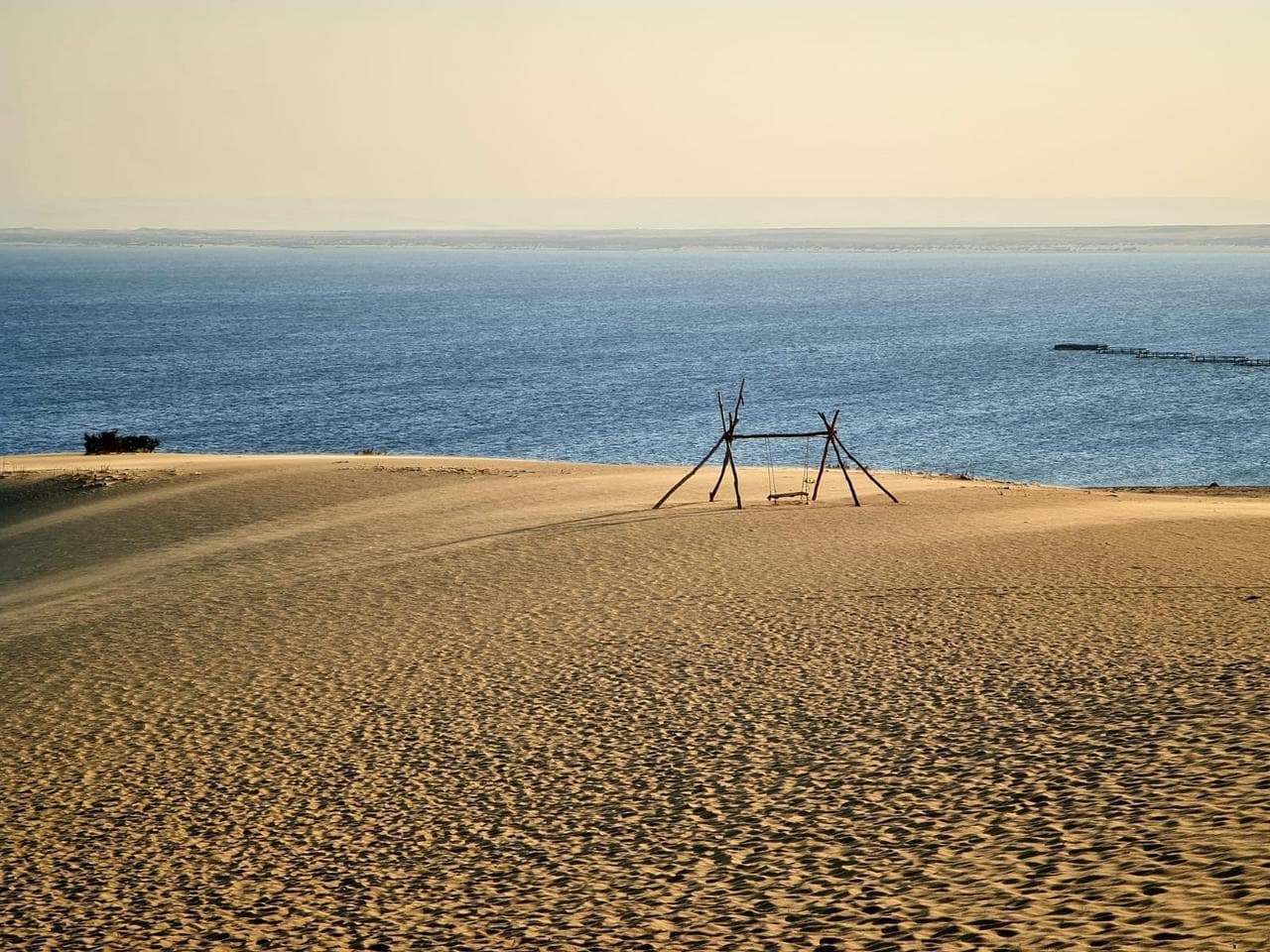
A desert lake ringed by dunes, its colours shifting through the day — best at sunset.
Trips that stop here
What to do
- Watch the sunset from the dunes above the water
- Dinner cooked over fire by the lake (Gold)
Good to know
- Bring a layer — the desert cools fast after dark
- Best time
- Late afternoon into sunset.
- What to wear
- Comfortable clothes and shoes you don’t mind getting sandy.
- Weather
- Hot by day in summer, cool once the sun goes down.
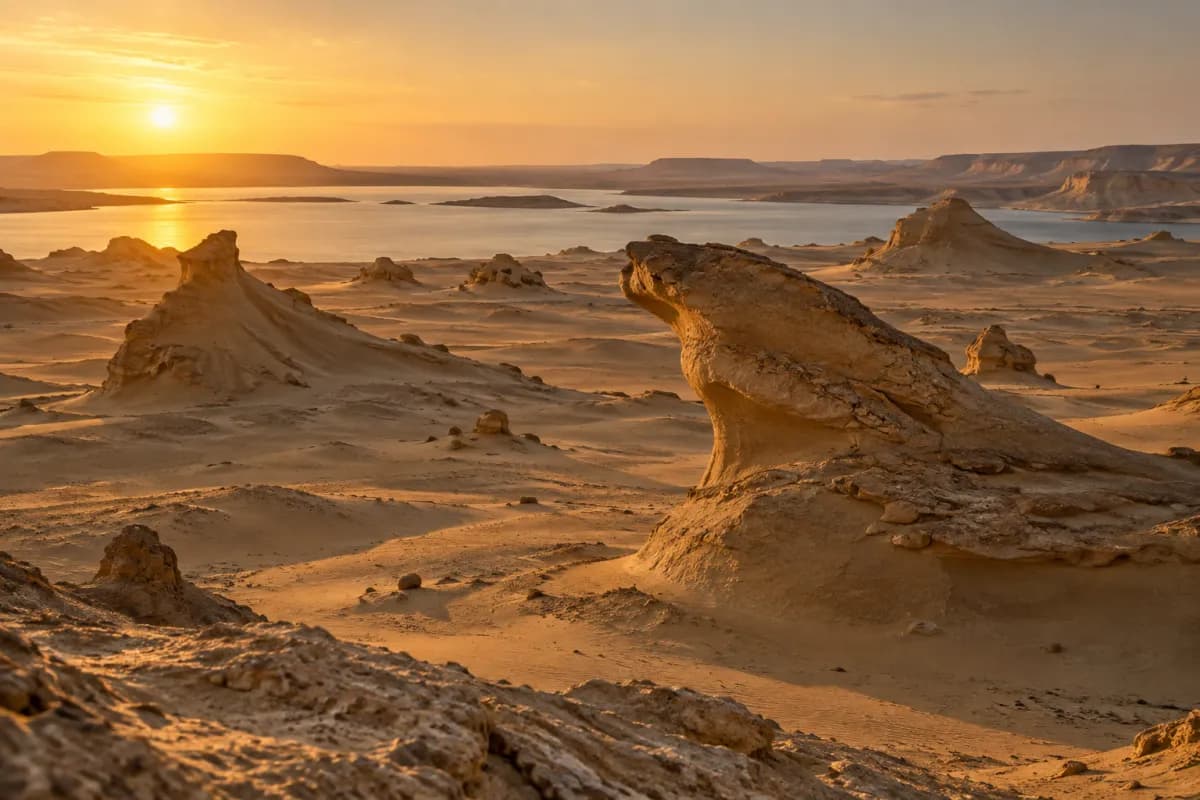
A striking sandstone peak deep in the Wadi El Rayan desert, ringed by wind-sculpted rock and fossil beds.
What to do
- Climb up for panoramic desert views
- Photograph the layered rock formations at golden hour
- Search the surrounding ground for fossil traces
Good to know
- Remote — go with a guide who knows the desert tracks
- Pairs well with a full desert-safari day covering Wadi El Hitan too
- Best time
- Late afternoon for the best light on the rock.
- What to wear
- Full desert gear — sturdy shoes, sun protection, a scarf for wind.
- Weather
- Deep desert with zero shade — extreme heat outside winter months.
A remote stretch of sand dunes in Fayoum's western desert, named for the nearby Monastery of Saint Samuel.
What to do
- Sandboard or 4x4 across the dune field
- Watch the dunes shift color at sunset
- Camp overnight under the desert sky
Good to know
- Best combined with a visit to Marcus Monastery nearby
- A guide is essential — this area is unmarked and remote
- Best time
- Late afternoon into sunset; overnight for stargazing.
- What to wear
- Full desert clothing; layers for cold desert nights if camping.
- Weather
- Extreme swing between hot days and cold desert nights.
A remote Coptic desert monastery in the Fayoum region's western hills, part of Egypt's ancient monastic tradition.
What to do
- Visit the monastery's chapel and grounds
- Speak with resident monks about its history, where welcomed
- Take in the stark desert setting
Good to know
- Call ahead through a local guide — remote desert monasteries don't keep fixed visitor hours
- Modest behavior and quiet voices are expected throughout
- Best time
- Morning, paired with the nearby desert dunes.
- What to wear
- Conservative, fully modest dress — required for both men and women.
- Weather
- Exposed desert hills — hot by day, cold at night.
What to expect
- A true day-trip escape from Cairo — much quieter and greener than the capital.
- Desert tracks require a 4x4; roads to the main sites are otherwise well maintained.
- Bring water, sun protection, and layers — desert nights cool quickly.
- Best visited October–April, avoiding peak midday sun in summer.
Planning the practical side?
Currency, weather, what to wear, visas, airports and public holidays — everything for your trip in one place.
Trips that go to Fayoum

Your Egypt is waiting.
Πείτε μας πόσες μέρες έχετε και τι σας τραβάει. Απαντάμε με ένα πλάνο και μια τιμή.